
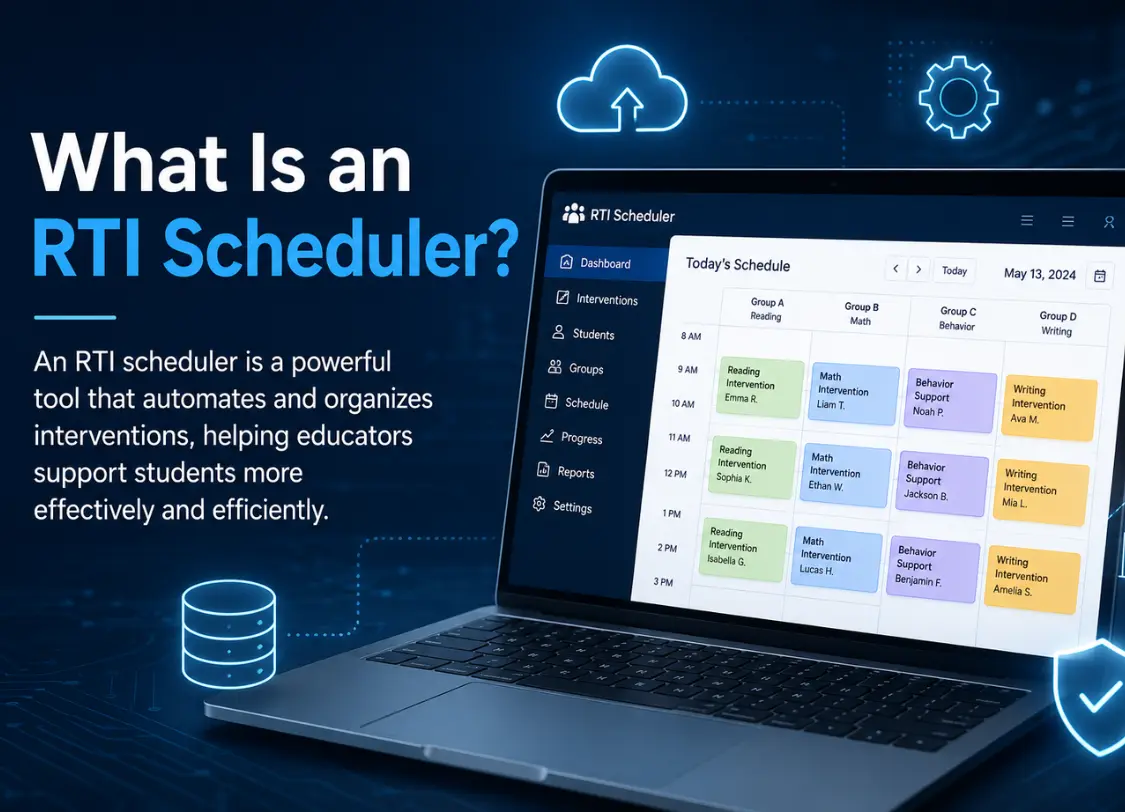
What Is an RTI Scheduler? A Complete Guide
In modern computing systems, timing is everything. Whether it’s a self-driving car reacting to road conditions, a medical device monitoring a patient, or an industrial robot assembling parts, decisions must happen within strict time limits. This is where the concept of an RTI scheduler becomes essential. It plays a critical role in ensuring that tasks are executed not just correctly, but also at the right time.
This article explores what an RTI scheduler is, how it works, why it matters, and where it is used. By the end, you’ll have a clear understanding of this important concept in real-time systems.
Understanding the Basics of RTI Scheduler
RTI scheduler stands for Real-Time Interrupt Scheduler. It is a system component responsible for managing and organizing tasks in environments where timing constraints are critical. Unlike general-purpose schedulers used in everyday operating systems, an RTI scheduler ensures that high-priority tasks are executed within predefined deadlines.
In simple terms, it decides which task runs, when it runs, and for how long, while considering strict timing requirements. The goal is not just efficiency, but predictability.
What Makes a System “Real-Time”
To fully understand an RTI scheduler, it’s important to grasp what a real-time system is. A real-time system is one where the correctness of operations depends on both the logical result and the time at which the result is produced.
For example, in an airbag system, detecting a collision is not enough—the airbag must deploy within milliseconds. If it’s late, the system fails, even if it technically works.
Real-time systems are typically divided into two categories:
- Hard real-time systems, where missing a deadline can lead to catastrophic outcomes, such as system failure or danger to human life
- Soft real-time systems, where missing deadlines may reduce performance but does not cause total failure
An RTI scheduler is designed to operate effectively in both environments, though it is especially critical in hard real-time scenarios.
How an RTI Scheduler Works
At its core, an RTI scheduler manages tasks based on timing constraints and priorities. It continuously monitors incoming tasks and decides the execution order based on predefined rules.
Each task in the system is assigned attributes such as priority, execution time, and deadline. The scheduler evaluates these attributes and determines which task should run next. If a higher-priority task arrives, the scheduler may interrupt the currently running task to ensure deadlines are met.
This process is known as preemption, and it is a key feature of RTI scheduling.
Key Features of RTI Scheduler
An RTI scheduler is designed with several unique features that distinguish it from standard schedulers.
First, it focuses heavily on predictability. The system must behave in a consistent and reliable way under all conditions. Second, it supports priority-based execution, ensuring that critical tasks always take precedence. Third, it minimizes latency, which is the delay between a task request and its execution.
Another important feature is interrupt handling. Since real-time systems often rely on external events, the scheduler must respond instantly to interrupts and adjust task execution accordingly.
Types of Scheduling in RTI Systems
RTI schedulers can use different scheduling algorithms depending on system requirements. Some of the most common approaches include:
- Fixed-priority scheduling, where tasks are assigned priorities that do not change during execution
- Dynamic scheduling, where priorities can change based on conditions such as deadlines or system load
Each approach has its own advantages. Fixed-priority scheduling is simpler and easier to implement, while dynamic scheduling can provide better performance in complex environments.
Importance of RTI Scheduler in Modern Systems
The importance of RTI schedulers cannot be overstated. They are essential for ensuring that systems operate safely, efficiently, and predictably.
In industries like healthcare, transportation, and manufacturing, timing errors can lead to serious consequences. An RTI scheduler helps prevent such issues by guaranteeing that critical tasks are executed within required time frames.
Without a reliable scheduler, even the most advanced systems could fail under pressure.
RTI Scheduler vs Traditional Scheduler
A traditional scheduler, like the one in a standard operating system, focuses on fairness and maximizing resource utilization. It ensures that all processes get a chance to run, but it does not guarantee strict timing.
In contrast, an RTI scheduler prioritizes deadlines over fairness. Some tasks may be delayed or even skipped if they are not critical, while high-priority tasks are executed immediately.
This difference makes RTI schedulers suitable for mission-critical applications where timing is more important than equal resource distribution.
Common Applications of RTI Scheduler
RTI schedulers are used in a wide range of applications where timing is crucial.
In automotive systems, they manage functions like braking, steering, and engine control. In aerospace, they are used in flight control systems to ensure safe and stable operation. Medical devices rely on RTI schedulers to monitor patient data and respond to emergencies instantly.
Industrial automation is another major area where these schedulers are used. Machines on production lines must perform tasks in precise sequences, and any delay can disrupt the entire process.
Challenges in RTI Scheduling
Despite their importance, designing and implementing RTI schedulers is not easy. One of the biggest challenges is ensuring that all tasks meet their deadlines, especially in complex systems with many competing processes.
Another challenge is handling unexpected events. Real-time systems must be prepared for sudden changes, such as hardware failures or external interrupts. The scheduler must adapt quickly without compromising performance.
Resource limitations can also pose difficulties. In many embedded systems, memory and processing power are limited, making efficient scheduling even more critical.
Advantages of Using an RTI Scheduler
Using an RTI scheduler offers several benefits. It ensures that critical tasks are completed on time, which is essential for system reliability. It also improves system responsiveness, allowing quick reactions to external events.
Additionally, RTI schedulers enhance predictability. Developers can analyze system behavior and guarantee performance under different conditions. This is especially important in safety-critical applications.
Another advantage is improved resource management. By prioritizing tasks effectively, the scheduler ensures optimal use of available resources.
Limitations of RTI Scheduler
While RTI schedulers are powerful, they are not without limitations. One drawback is complexity. Designing a scheduler that meets all timing requirements can be challenging and time-consuming.
Another limitation is reduced flexibility. Since tasks are prioritized strictly, less important tasks may experience delays or starvation. This can affect overall system performance in non-critical areas.
Finally, RTI schedulers often require specialized knowledge to implement and maintain, which can increase development costs.
Future of RTI Scheduling
As technology continues to evolve, the demand for real-time systems is growing rapidly. Emerging fields like autonomous vehicles, smart cities, and the Internet of Things (IoT) rely heavily on precise timing and coordination.
Future RTI schedulers are expected to become more intelligent and adaptive. They may incorporate artificial intelligence to optimize task scheduling dynamically and handle complex scenarios more efficiently.
With increasing system complexity, the role of RTI schedulers will become even more critical in ensuring reliability and performance.
Conclusion
An RTI scheduler is a fundamental component of real-time systems, ensuring that tasks are executed within strict time constraints. By prioritizing critical operations and responding quickly to events, it enables systems to function reliably in demanding environments.
From healthcare to transportation, its applications are vast and essential. While it comes with challenges and limitations, its benefits far outweigh the drawbacks in time-sensitive systems.
Understanding how RTI schedulers work provides valuable insight into the backbone of modern real-time technology, helping us appreciate the precision and reliability behind many systems we rely on every day.